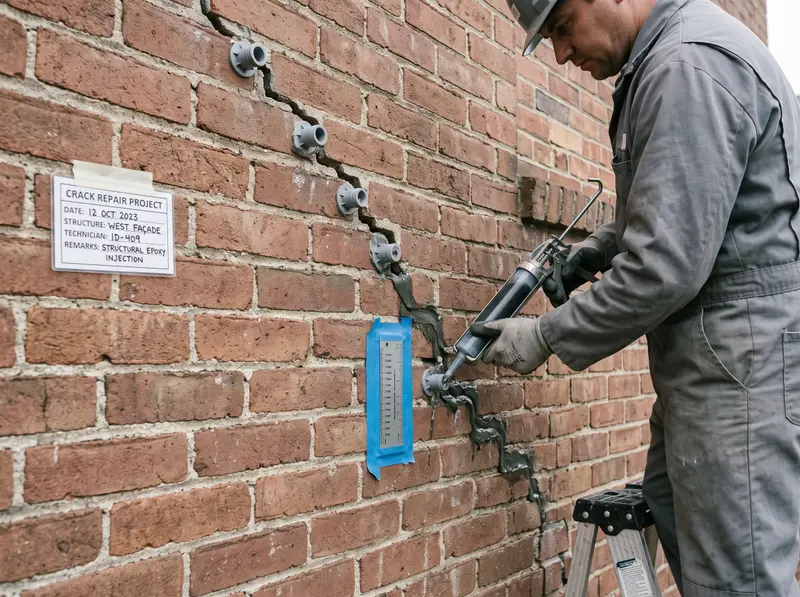
Policies commonly distinguish a sudden event from gradual movement, and foundation claims usually turn on which one the evidence supports. Read your own policy and ask your insurer directly — nobody else can tell you what yours covers.
The cause an adjuster will ask about in Houston
With up to 51% clay in the mapped soil and Clodine-Urban land complex, 0 to 1 percent slopes as the dominant unit, seasonal ground movement is the default explanation in this area — and it is the explanation least likely to be treated as a sudden event. That is precisely why establishing a plumbing leak, if one exists, changes the conversation: it replaces a gradual process with something that has a date attached.
The reasoning behind that
The distinction most policies draw is between something that happened and something that has been happening. A plumbing line that failed under the slab and saturated the ground is an event with a date. Clay soil moving through its ordinary annual cycle is not, and the two are commonly treated very differently. That is why the plumbing test matters. A pressure test under the slab establishes whether a leak is present, and if one is, it establishes a cause that a policy may recognize. Doing it before a claim rather than after is the difference between evidence and an argument. Documentation is the rest of it. Dated photographs, an elevation survey, any earlier inspection from when the house was bought, and the plumbing test results. A claim assessed on a description is assessed on less than a claim assessed on measurements. This page cannot tell you whether your claim will be paid and neither can any contractor. What it can tell you is what the question will turn on, so that the evidence exists before anyone asks for it.
Every question, in one place: Houston Foundation Repair Co questions.
Check the Houston Foundation Repair Co service area to see whether your street is covered.
Back to Houston Foundation Repair Co.